If you live in Ottawa, you’ve probably asked yourself more than once, “Why does the power go out so often?” From sudden blackouts to long storm-related outages, it’s clear the system we depend on isn’t always as dependable as we’d like.
This blog will walk you through what’s going on with Ontario’s power grid how it works, what’s causing the growing issues, and most importantly, what you can do to protect your home and family.
We’ll cover:
- What the grid is and how it’s managed in Ontario
- The biggest causes of power outages in Ottawa
- The impact of extreme weather like the 2022 derecho
- What upgrades are being made to the system
- How you can stay powered through solar, battery backups, and other tools
Let’s start with the basics: what the grid even is, and who’s in charge of keeping the lights on.
What Is the Power Grid, Anyway?
The power grid might sound complex, but it’s really just a big system that gets electricity from where it’s made to where it’s usedyour home, your school, your grocery store.
Here’s how it works in simple terms:
A Simple Explanation of How Electricity Gets to Your Home
Electricity starts at a power plant. This could be a hydro dam, nuclear plant, wind farm, or solar field. From there, high-voltage lines carry the electricity long distances across Ontario. That’s called transmission. Once it gets close to your area, smaller lines called distribution lines bring it to your house.
Who Manages the Grid in Ontario?
The big boss here is the Independent Electricity System Operator (IESO). They make sure electricity flows across the province and that supply meets demand. In Ottawa specifically, Hydro Ottawa handles local delivery and fixes problems when outages happen.
The Difference Between Transmission and Distribution
- Transmission: Long-distance, high-voltage lines. Think of it as the highway for electricity.
- Distribution: Short-distance, lower-voltage lines that bring electricity from the main road to your doorstep.
So when you hear someone say “the grid went down,” they’re talking about some part of this whole system failing. It could be a blown transformer, a downed line, or a problem at a power station.
Next up: Just how reliable is Ontario’s grid today? Let’s take a look at the facts.
How Reliable Is Ontario’s Power Grid Right Now?
You might be surprised to hear that Ontario’s power grid is considered one of the more stable systems in Canada. But that doesn’t mean it’s perfect, especially in places like Ottawa, where storms and aging equipment can bring everything to a halt.
Let’s break it down.
Recent Statistics from IESO on Outage Frequency
According to the Independent Electricity System Operator (IESO), Ontario’s power system generally performs well. But since 2019, reports show an upward trend in outage frequency and duration. In 2021, there were over 460 reported power outages across Canada, and the numbers are climbing every year.
What the “System Adequacy Report” Tells Us
The IESO releases a yearly report called the “System Adequacy Outlook.” It looks at how the grid is holding up and how well it can meet demand. The latest findings? Ontario has enough power for now, but things get tight in extreme weather, and grid stress is expected to grow as more electric vehicles and home heat pumps come online.
Regional Differences, Why Ottawa Gets Hit Harder
Here in Ottawa, we’re more vulnerable to outages compared to other cities. That’s partly due to:
- Older infrastructure
- Heavy tree cover (which brings down power lines during storms)
- Frequent freeze-thaw cycles that wear down equipment faster
So while the grid may look good on paper, reality feels a little different in our neighborhoods.
Up next: What’s actually causing all these power problems? Let’s dive into the root issues.
What’s Causing More Outages in Ottawa and Beyond?
If you’ve noticed power outages becoming more commonor lasting longeryou’re not imagining things. Ottawa’s grid is under more pressure than ever, and several key problems are making it harder to keep the lights on.
More Severe Weather (Derechos, Ice Storms, Heatwaves)
Storms used to knock out power once in a while. Now, they’re taking down entire neighborhoods. The 2022 derecho, for example, left over 180,000 Hydro Ottawa customers in the dark some for more than a week.
Winds are getting stronger. Ice storms are more frequent. And extreme heatwaves are driving up demand on the gridall of which puts serious strain on infrastructure.
Aging Infrastructure Old Lines and Transformers
A lot of Ontario’s power equipment was built decades ago. In many areas, poles, wires, and transformers are well past their prime. When one part breaks down, it can cause ripple effects across the system. That’s why a single tree branch or power line can trigger a whole block or even a neighborhood to lose power.
Growing Demand from Electric Heating and EVs
As more people switch from gas to electric heatingor install electric vehicle (EV) chargers at homethe load on the grid is increasing fast. That’s great for the environment, but it also means our system needs big upgrades to keep up.
All of this adds up to a grid that’s doing its best, but struggling to meet new challenges.
Up next: Let’s take a closer look at one event that changed everything for Ottawathe 2022 derecho.
A Look Back: The 2022 Derecho and Its Impact
If you lived in Ottawa during May 2022, you probably remember where you were when the skies turned black and the wind roared through the city. That wasn’t just any stormit was a derecho, a fast-moving, powerful line of thunderstorms that left behind a trail of destruction.
How Many Customers Lost Power and for How Long
The derecho hit with wind gusts over 190 km/h, knocking down power lines, poles, trees, and entire substations. More than 180,000 Hydro Ottawa customers lost power, with some areas waiting 7+ days for electricity to come back. It became the largest and most expensive outage in the city’s history.
Hydro Ottawa’s Response Timeline
Hydro Ottawa crews were out immediately, but the damage was widespread. In some neighborhoods, whole sections of the grid had to be rebuilt. Backup from other utilities across Ontario was called in, but many homeowners were left in the dark for daysnot just hours.
What It Taught Us About Grid Vulnerability
The derecho made one thing very clear: Ottawa’s grid wasn’t ready for this kind of storm. It showed just how vulnerable our system is when hit with extreme weather. And as climate change brings more events like this, it’s a wake-up call for everyonefrom utilities to homeowners.
How Does Ontario Prepare for Power Emergencies?
When the lights go out across a city or region, you want to know someone has a plan. The good news? Ontario does. But that doesn’t mean there won’t be delays or disruptions.
Here’s a closer look at how the province gears up for power emergenciesbefore and after they happen.
IESO’s Grid Contingency Planning
The Independent Electricity System Operator (IESO) is in charge of planning for power emergencies. They run regular simulations to make sure Ontario can handle worst-case scenarioslike losing a major power plant, or having huge demand during a heatwave.
They also track energy supply and demand in real time. If things start to go sideways, they can act fast to prevent a full system failure.
Load Shedding vs. Rolling Blackouts
In extreme situations, the IESO may use something called load shedding. That means cutting power to certain areas to prevent a larger blackout. Think of it like hitting the brakes on part of the grid to keep the rest of it from crashing.
This is also where rolling blackouts come intemporary, planned outages that rotate across neighborhoods to reduce strain without overwhelming the system.
Public Safety Alerts and City Response
Hydro Ottawa and emergency services have their own plans too. During major outages, they issue emergency alerts, set up warming or cooling centres, and work with public health and safety teams to help vulnerable residents.
Still, even with all this planning, homeowners are often left waiting. That’s why many people are now looking for ways to take control at homewith things like backup power and solar.
Is Ontario’s Grid Getting Better or Worse?
If you’re wondering if things are improving, the answer is… kind of. The Ontario grid is going through some big changes, and while some upgrades are helping, the road ahead still looks a bit bumpy.
What the Reliability Data Says
Ontario’s electricity system has stayed mostly stable in terms of supply. But reports from the Ontario Energy Board (OEB) show that unplanned outages are on the rise, especially those caused by weather and equipment failure. Rural and suburban areas like Ottawa are feeling it the most.
Demand Is Rising, Especially in Cities
As more homes switch to electric heat pumps and people buy EVs, power use is climbing. Add in population growth and hotter summers, and suddenly we’re asking the grid to do a lot more than it used to.
Investments in Modernization
The province is putting money into upgradesnew substations, smart meters, and better technology to track outages. But the reality is: infrastructure takes time to rebuild, and a lot of what we use today was installed decades ago.
So yes, Ontario’s trying to catch up. But for now, homeowners still need to be ready for the unexpected.
Coming up: What role can solar and battery backups play in keeping your home powered when the grid lets you down? Let’s dive into your options.
How Solar and Battery Backup Can Protect Your Home
If Ontario’s grid is stretched thinand storms keep knocking out powerwhat can you actually do about it at home? One smart solution is to generate and store your own power.
That’s where solar panels and battery backup systems come in.
What a Solar + Battery Setup Actually Does
- Solar panels collect energy from the sun during the day.
- That energy powers your home directly, reducing your reliance on the grid.
- Any extra power goes into your home battery (like a Tesla Powerwall).
- When the grid goes down, your battery steps in and keeps your home running.
What You Can Power During an Outage
With a properly sized battery, you can keep your:
- Fridge and freezer
- Furnace or heat pump
- Wi-Fi and lights
- Sump pump
- A few outlets for charging phones or running small devices
Depending on how much power you use and the size of your battery, this can last anywhere from 24 to 48 hours.
Quiet, Clean, and No Fuel Required
Unlike gas generators, battery systems:
- Don’t make noise
- Don’t need propane or gas
- Don’t create fumes or need regular refueling
They just quietly kick in when neededand switch off when the grid comes back.
Coming up next: How does solar stack up against traditional backup options like gas generators? Let’s compare them side-by-side.
Solar + Battery vs. Generators: What’s Better for Outages?
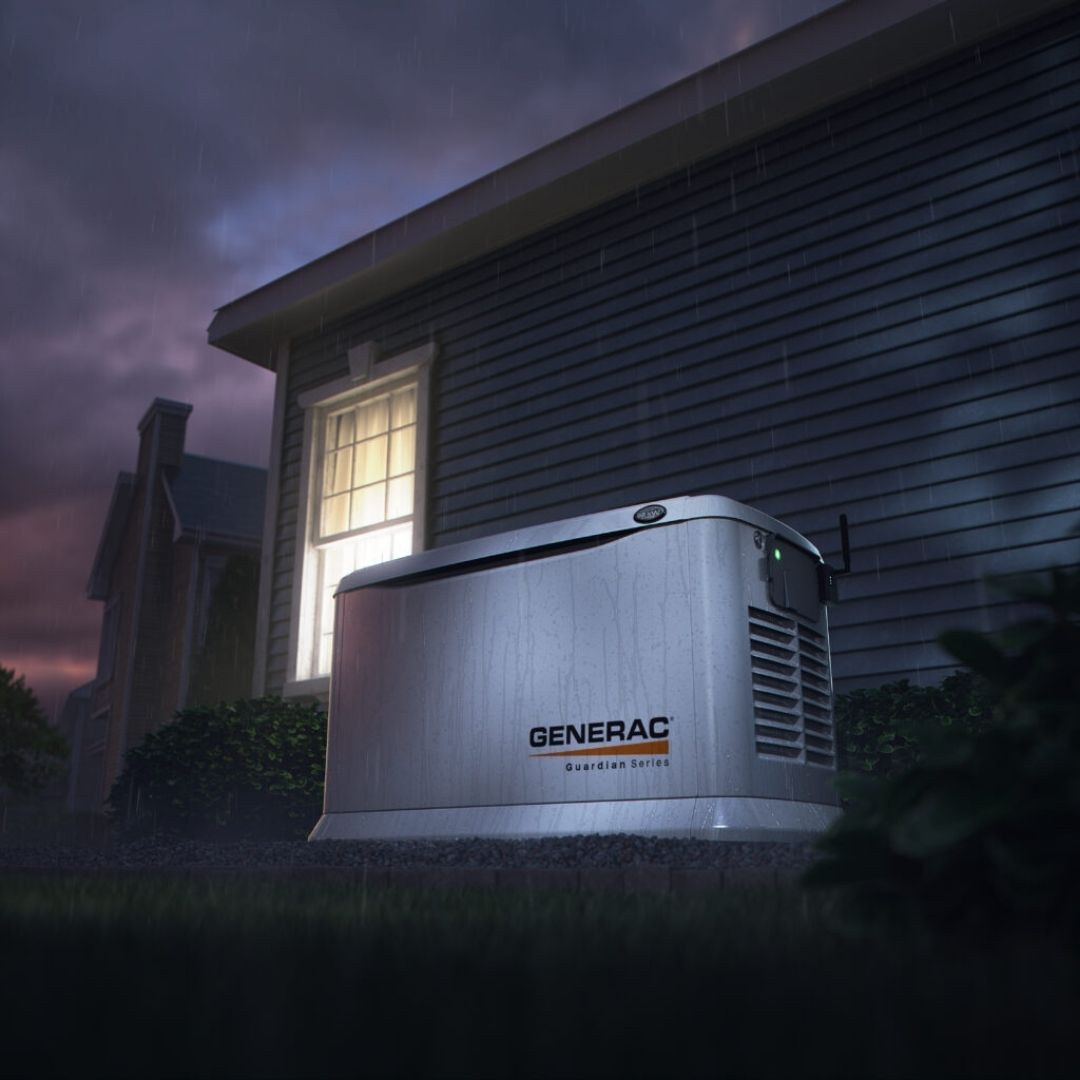
If you’re thinking about protecting your home during outages, you’ve got two main options: a solar-plus-battery system or a traditional gas generator (like Generac). Each has its ups and downs, depending on what you care most aboutcost, convenience, or clean energy.
Comparing Power Sources Side-by-Side
| Feature | Solar + Battery | Gas Generator |
|---|---|---|
| Power source | Sunlight | Propane or natural gas |
| Automatic backup | Yes | Yes |
| Noise level | Silent | Audible (some loud) |
| Fuel cost | Free from the sun | Fuel bills add up |
| Emissions | None | Produces carbon monoxide |
| Maintenance | Minimal | Annual service needed |
| Installation cost | High upfront, long-term savings | Lower upfront, but fuel costs add up |
| Lifespan | 10–20+ years | 10–15 years, depending on use |
When a Generator Might Make Sense
- You live in a very shady area with little sun.
- You need backup for several days in a row and don’t mind fuel use.
- You want to power your entire home during an outage without worrying about battery capacity.
When Solar + Battery Is the Better Choice
- You want clean, quiet power without fumes.
- You already have solar panels or plan to install them.
- You want to save money on utility bills even when the grid is working.
Coming up: What is the province doing to modernize Ontario’s grid, and how will it affect homeowners like you? Let’s take a closer look.
What’s Being Done to Upgrade Ontario’s Grid?
So, we’ve talked about what’s wrong with the gridbut what’s being done to make it better? Turns out, quite a bit. Ontario is pouring money into new tech and better infrastructure to keep the lights on more reliably across the province.
Key Grid Modernization Projects Underway
The Independent Electricity System Operator (IESO) and Hydro One are teaming up on several major upgrades:
- Replacing aging transformers and wires
- Expanding local substations
- Investing in smart grid technology that can detect outages faster and reroute power where needed
- Adding more grid-scale battery storage to help during peak times or emergencies
These upgrades are happening in phases, with some already underway in the Ottawa region.
Government Support and Funding
The Ontario government and federal programs like the Canada Greener Homes Initiative are also supporting energy upgrades. Homeowners can now get interest-free loans up to $40,000 to install solar panels, upgrade insulation, or add energy storage. More info
This means the province isn’t just talking about cleaner, more reliable powerit’s putting real dollars behind it.
But what can you do at home to prepare for grid issues, beyond solar and generators? Let’s go over a few simple (but smart) steps.

Simple Things You Can Do to Get Ready at Home
You don’t have to wait for a big solar install or a new generator to start getting prepared. Even small steps can make a big difference when the power goes out.
Here are a few practical things you can do now:
1. Make a Home Power Outage Kit
Keep these on hand in one spot so you’re not scrambling in the dark:
- Flashlights (with extra batteries)
- A battery-powered or hand-crank radio
- Bottled water and non-perishable food
- Power banks for phones
- Warm blankets and basic medical supplies
2. Know Your Panel and Main Shutoff
Learn where your electrical panel is and how to turn off power to parts of your home if needed. Label key breakers like your furnace, fridge, and sump pump.
3. Install Surge Protectors
Power can surge when it comes back on, which can fry your electronics. Surge protectorsespecially whole-home versionscan prevent costly damage.
4. Unplug Sensitive Devices
During an outage, unplug computers, TVs, routers, and other sensitive equipment. It’ll protect them from a spike when the grid turns back on.
5. Check on Neighbours
This one isn’t electricalbut it matters. If you have elderly or vulnerable neighbours, checking in during an outage can be a real lifeline.
Coming up: Let’s answer some of the most common questions Ottawa homeowners have about Ontario’s power grid and what the future holds.
FAQs About Ontario Power Grid Reliability
Let’s tackle some of the top questions we hear from homeowners in Ottawa when it comes to power outages, the grid, and what you can do to stay ready.
1. Why is the reliability of Ontario’s electricity grid becoming a bigger concern lately?
The electricity grid in Ontario is feeling pressure from rising electricity demand, aging infrastructure, and more frequent extreme weather events. As the province’s energy needs grow, especially in urban areas like Ottawa, the system needs more investment and smarter planning to stay stable. The government of Ontario has acknowledged these challenges and is working on solutions through policy and funding updates.
2. How is Ontario generating electricity to meet growing demand?
Ontario’s electricity generation comes from a mix of sources including hydro, nuclear, natural gas, and renewable energy like wind and solar. As of now, about a third of Ontario’s electricity still comes from nuclear, with renewables playing a growing role. The province is actively adding new technologies to boost generating capacity and keep up with peaks.
3. What steps is the province taking to modernize the electricity sector?
The provincial government is focusing on building a clean electricity system that supports Ontario’s energy transition. That means investing in electricity storage, expanding distribution systems, upgrading high voltage transmission lines, and encouraging smart energy use through programs like the Peak Perks program. All of these efforts aim to support the clean energy economy.
4. How do electricity costs in Ontario compare to other parts of North America?
Compared to much of North America, Ontario’s electricity costs are relatively moderatebut they’re rising. One reason is the growing investment in upgrading infrastructure and balancing the overall energy mix. Programs that promote energy efficiency are helping customers reduce their natural gas bills and lower high energy costs in the long run.
5. What role does natural gas play in Ontario’s electricity future?
Natural gas sectors are still an important part of the system, especially for backup during peak demand times. However, the push toward renewable natural gas and other alternatives reflects Ontario’s effort to reduce greenhouse gas emissions. It’s a balancing act between short-term reliability and a clean energy future.
6. How are major players helping with grid reliability and clean energy?
Big moves are happening. For example, Bruce Nuclear Site is being looked at for a new nuclear station, and LG Energy Solution is part of a joint venture focused on battery storage. These partnerships, supported by the Ontario’s Independent Electricity System Operator (IESO) and led by voices like Chair David Collie, aim to reinforce the grid’s long-term stability.
7. What impact does customer choice have on electricity supply?
Thanks to better data and technology, customer choice is playing a larger role. Homeowners can choose solar, battery systems, and energy-saving programs. This flexibility helps reduce the measure of the maximum amount of electricity needed at peak times and spreads out the energy system costs, making the grid more stable for all people of Ontario.
8. Where can I learn more or get involved in improving Ontario’s energy system?
If you’re curious about Ontario’s energy resources, consider checking updates from industry stakeholders, local electricity distributors, or public forums on energy demand and public interest. These groups are shaping Ontario’s path toward a clean energy advantageand every informed homeowner helps move the province closer to its goals by the end of this decade.
Tired of Power Outages? Let’s Plan Ahead.
In Ontario, outages from wind, ice, and aging grid infrastructure aren’t going away anytime soon. But you don’t have to wait for the next blackout to start thinking about backup power.
At True Beacon Solar, we help homeowners in Ottawa build more reliable, self-powered homesthrough smart solar systems, battery backups, and expert advice. We live here too, and we know what local homes need to stay powered year-round.
Here’s how we can help:
- Book a free consult: We’ll review your home’s layout, energy habits, and budget. Then we’ll map out a solar and battery setup that fits your needs.
- Ask about financing options: You could be eligible for the Canada Greener Homes Loanoffering up to $40,000 interest-free for solar and battery installations.
- Stay connected: Follow us on social for local grid updates, outage tips, and energy planning advice.
You can’t control the gridbut you can control how your home responds. Let’s build something more reliable, together.
Why Choose Us?
Here’s why so many people in Ottawa turn to True Beacon Solar for their solar and electrical needs.
Master electrician on every project
All of our solar and electrical work is led by a licensed Master Electrician with 15 years of experience. That means your system is designed and installed with safety, code compliance, and long-term performance in mind. You’re not getting a rushed or off-the-shelf solutionyou’re getting real expertise on every job.
Local, Ottawa-based team
We live and work in the same communities we serve. That means we understand local weather, hydro rates, and permitting rules. When you call us, you’re speaking to someone who knows Ottawanot a distant call center or out-of-town installer.
Top-tier equipment only
We install high-quality, trusted brands like LONGi, REC, Enphase, SolarEdge, and Tesla Powerwall. These products come with strong warranties and are known for lasting performance. We don’t cut corners with budget gearyour system is built to work well and last long.
Complete service, start to finish
We handle everythingfrom design and permits to installation and after-care. You won’t have to juggle contractors or deal with confusing paperwork. We take care of the full process so you can focus on your home or business.
Real help with rebates and financing
We guide you through available rebates like the Canada Greener Homes Loan and Ontario’s Home Renovation Savings Program. These can lower your costs by thousands of dollars. We’ll help you understand what you qualify for and how to apply.